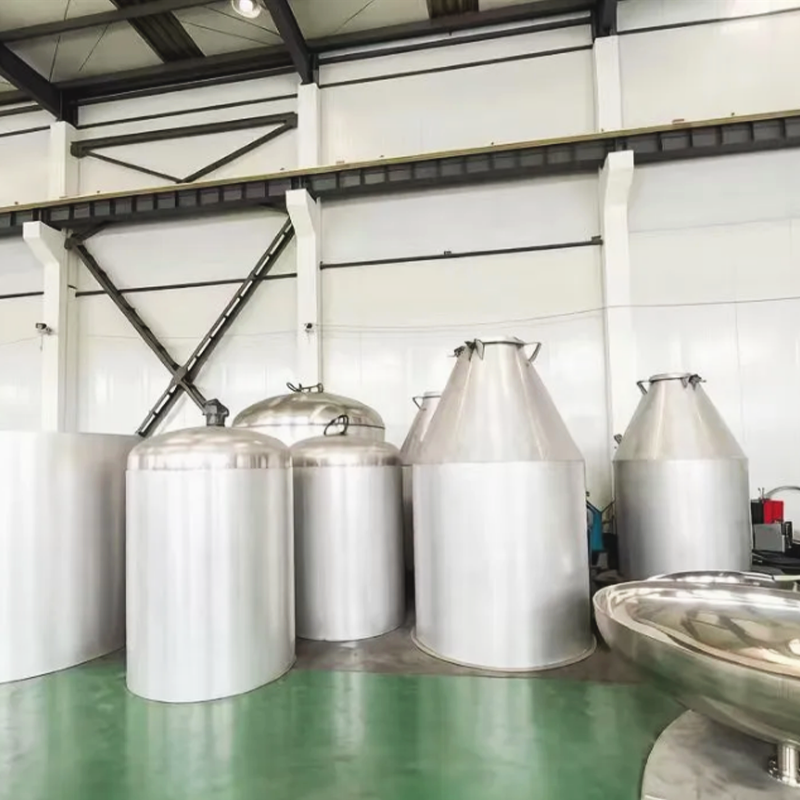
A Stainless steel fermenter is one of the most important pieces of equipment in modern brewing, and it has become the preferred choice for breweries of every size around the world. From craft beer startups to large-scale commercial breweries, brewers rely on stainless steel fermenters because they offer excellent hygiene, precise process control, durability, and consistent fermentation performance. In today’s competitive Brewing industry, quality, efficiency, and repeatability matter more than ever, which is exactly why the stainless steel fermenter has become the global standard.
In simple terms, a fermenter is a vessel used to convert sugars into alcohol and carbon dioxide during the fermentation process. While fermenters can be made from different materials, stainless steel has proven to be the most reliable and versatile option. Brewers worldwide prefer stainless steel fermentation tanks because they support stable brewing conditions, are easy to clean, resist corrosion, and help preserve the flavor integrity of beer and other fermented beverages.
If you are researching brewing equipment, planning a brewery project, or building an industry page, this guide provides a clear overview of why stainless steel fermenter is preferred by brewers worldwide. The content below focuses on generic industry information only, including definitions, advantages, common specifications, structural features, and selection factors. It is designed to be SEO-friendly, useful for blog pages, category pages, and industry articles, and suitable for direct insertion into the middle of an HTML page.
What Is a Stainless Steel Fermenter?
A stainless steel fermenter is a sealed brewing vessel made from stainless steel, designed to support controlled fermentation of beer, cider, wine, kombucha, and other beverages. In beer production, it is often called a fermentation tank, fermenting vessel, unitank, Conical fermenter, or FV. The main purpose of the fermenter is to provide a clean, stable, and controlled environment where yeast can convert wort sugars into alcohol.
Stainless steel fermenters are widely used because stainless steel is strong, non-reactive, hygienic, and highly resistant to rust and contamination. The material helps protect the beverage from unwanted flavors and supports consistent product quality over repeated batches. Whether used in a small brewhouse or a large industrial brewery, a stainless steel fermenter offers the performance needed for efficient and professional fermentation.
Why Stainless Steel Fermenter Is Preferred by Brewers Worldwide
The popularity of the stainless steel fermenter is not accidental. Brewers prefer it because it solves many of the common problems associated with fermentation, storage, and sanitation. Below are the major reasons why stainless steel is the material of choice across global brewing operations.
1. Excellent Hygiene and Sanitation
Cleanliness is one of the most important factors in brewing. A fermenter must be easy to clean and disinfect to prevent contamination from bacteria, wild yeast, and leftover residues. Stainless steel provides a smooth, non-porous surface that is ideal for sanitation. Unlike some other materials, it does not absorb odors, stains, or flavors.
This hygiene advantage is a major reason why brewers choose a stainless steel fermenter. With proper clean-in-place systems, spray balls, and sanitary fittings, breweries can maintain high cleaning standards and reduce the risk of batch spoilage. In a competitive brewing market, product consistency and food safety are essential, and stainless steel helps achieve both.
2. Corrosion Resistance
Fermentation involves moisture, acidity, and carbon dioxide, all of which can damage inferior materials over time. Stainless steel is naturally resistant to corrosion, making it highly suitable for long-term brewing use. This corrosion resistance is especially important in breweries where equipment is exposed to acidic wort, beer, cleaning chemicals, and repeated wash cycles.
Because a stainless steel fermenter can withstand harsh brewing environments, it helps extend equipment life and reduce replacement frequency. This makes it a cost-effective solution for both Small breweries and large industrial facilities.
3. Temperature Control Compatibility
One of the biggest advantages of a stainless steel fermenter is its compatibility with advanced temperature control systems. Fermentation temperature directly affects yeast behavior, flavor development, aroma, and final product quality. Stainless steel tanks can be fitted with cooling jackets, glycol channels, insulation layers, and digital control systems to maintain precise fermentation conditions.
Brewers worldwide prefer stainless steel fermentation tanks because they enable stable and repeatable temperature management. This is especially important for lagers, ales, high-gravity beers, and other products that require exact process control.
4. Durability and Long Service Life
Brewing equipment must endure frequent use, pressure changes, cleaning cycles, and temperature fluctuations. Stainless steel is strong and durable, which makes it an excellent choice for fermenters that must perform reliably for many years. Compared with plastic or other less durable materials, a stainless steel fermenter offers superior structural integrity and a much longer service life.
Breweries benefit from this durability because it reduces downtime, replacement costs, and maintenance issues. Over time, this can have a major impact on production efficiency and total operating cost.
5. Flavor Neutrality
Stainless steel does not transfer flavors or odors into the beverage. This is extremely important in brewing because the flavor profile of beer should come from the ingredients and fermentation process, not from the tank material. A stainless steel fermenter allows brewers to preserve the intended taste, aroma, and mouthfeel of the final product.
Flavor neutrality is one reason why stainless steel has become the standard material in professional breweries. It supports clean fermentation and helps produce a more predictable, high-quality result.
6. Better Process Visibility and Control
Modern stainless steel fermenters are often equipped with features such as sight glasses, sample valves, pressure gauges, thermowells, level indicators, and manways. These components help brewers monitor fermentation progress and make informed decisions throughout the production cycle.
With accurate process control, breweries can improve batch consistency, minimize waste, and increase overall productivity. A stainless steel fermenter supports these goals by integrating well with modern brewing automation and monitoring systems.
7. Pressure Capability
Many stainless steel fermenters are designed to operate under pressure, especially unitanks and pressurized Fermentation vessels. This allows brewers to ferment, carbonate, and store beer in one tank, saving time and reducing the need for additional transfer equipment.
Pressure-capable stainless steel fermenters are valuable in breweries that want to improve workflow efficiency and reduce oxygen exposure during transfers. This capability also supports modern brewing styles and operational flexibility.
8. Professional Appearance
Stainless steel fermenters have a polished, professional appearance that reflects quality and cleanliness. In many breweries, visible fermentation tanks are part of the brewing environment and customer experience. Stainless steel gives a modern, high-end look that reinforces trust in the brewing process.
For breweries that welcome visitors, operate taprooms, or promote their production areas as part of branding, stainless steel fermenters also contribute to a strong visual identity.
The advantages of stainless steel fermenters can be summarized in practical brewing and business terms. The table below provides a quick overview of the core benefits.
Benefit |
Why It Matters |
Brewing Result |
|---|
Hygienic surface |
Easy to clean and sanitize |
Lower contamination risk |
Corrosion resistance |
Withstands acids, moisture, and cleaners |
Longer equipment lifespan |
Temperature control compatibility |
Supports cooling jackets and automation |
Stable fermentation conditions |
Durability |
Handles repeated brewery use |
Reduced maintenance and replacement cost |
Flavor neutrality |
Does not affect taste or aroma |
Cleaner, more consistent beer quality |
Pressure support |
Enables closed fermentation and carbonation |
Improved efficiency and product handling |
Professional appearance |
Matches modern brewery standards |
Better brand presentation |
Common Stainless Steel Fermenter Types
Stainless steel fermenters are available in several designs, each suited to different brewery needs. Understanding the common types helps brewers choose the right tank for their production goals.
Conical Fermenter
The conical fermenter is one of the most widely used designs in brewing. It features a cone-shaped bottom that collects yeast and sediment, making it easier to remove solids after fermentation. This design simplifies yeast Harvesting and sediment separation, which is especially useful for breweries that want cleaner beer and improved operational efficiency.
Unitank
A unitank is a versatile stainless steel fermenter that can be used for fermentation, conditioning, and carbonation in a single vessel. It is often pressure-rated and includes features that allow brewers to complete multiple steps without transferring beer to another tank.
The unitank is popular because it saves space, reduces oxygen exposure, and improves process efficiency. For many breweries, it is an ideal all-in-one fermentation solution.
Open Top Fermenter
Some brewing applications use open top stainless steel fermenters, which provide easier access during fermentation. These tanks are typically associated with specific beer styles or process traditions. While less common than closed vessels, they are still used in certain brewing environments where access and inspection are priorities.
Pressure Fermenter
Pressure fermenters are stainless steel vessels designed to handle internal pressure. They are especially useful for breweries that want to ferment and carbonate under controlled pressure. This reduces oxidation risks and increases process flexibility.
Typical Stainless Steel Fermenter Specifications
Stainless steel fermenters are manufactured in a wide range of sizes and configurations. The table below shows common industry specifications that may be used for planning or comparison purposes. Actual values can vary depending on brewery size, process needs, and equipment design.
Specification |
Common Range |
Description |
|---|
Capacity |
50 L to 50,000+ L |
Available for home, craft, and industrial brewing |
Material |
Stainless steel 304 or 316 |
Food-grade corrosion-resistant material |
Wall thickness |
Varying by size and pressure rating |
Affects strength and thermal performance |
Cooling system |
Single or double glycol jackets |
Maintains fermentation temperature |
Pressure rating |
Atmospheric to pressure-rated |
Supports different brewing processes |
Finish |
Brushed, polished, or mirror finish |
Supports hygiene and appearance |
Fittings |
Tri-clamp sanitary connections |
Standardized, easy-to-clean connections |
Accessories |
Manway, sample valve, racking arm, gauge, CIP ball |
Supports monitoring and cleaning |
Stainless Steel Grades Used in Fermenters
The most common materials used in a stainless steel fermenter are 304 stainless steel and 316 stainless steel. Both are widely used in food and beverage applications, but they have slightly different characteristics.
Grade |
Main Characteristics |
Common Use |
|---|
304 stainless steel |
General-purpose, strong, corrosion-resistant, cost-effective |
Most brewery fermenters and storage tanks |
316 stainless steel |
Higher resistance to chlorides and harsh environments |
Specialized brewing, demanding cleaning conditions, premium applications |
For many breweries, 304 stainless steel offers the right balance of performance and cost. In more aggressive environments or specialized operations, 316 stainless steel may be preferred for enhanced resistance. In both cases, the goal is the same: to provide a reliable stainless steel fermenter that supports sanitary and stable fermentation.
Important Features of a High-Quality Stainless Steel Fermenter
Not all fermentation tanks are built the same. When evaluating a stainless steel fermenter, brewers often look for features that improve hygiene, usability, and performance. The following features are commonly associated with high-quality brewing tanks.
- Sanitary polished interior for easy cleaning and contamination control
- Strong weld quality to ensure durability and leak resistance
- Cooling jackets for temperature regulation
- Conical bottom design for yeast and trub separation
- Sample valve for fermentation monitoring
- Pressure relief valve for safe operation
- Tri-clamp fittings for sanitary connections
- CIP spray ball for efficient tank cleaning
- Manway access for inspection and maintenance
- Racking arm for clean beer transfer
These features help the stainless steel fermenter perform more effectively in everyday brewery operations. They also contribute to repeatable production, reduced labor, and improved safety.
How Stainless Steel Fermenters Improve Beer Quality
Beer quality depends on more than just ingredients. The fermentation environment has a major impact on flavor, aroma, clarity, carbonation, and stability. A stainless steel fermenter helps brewers control these factors with precision.
Stable temperature control allows yeast to ferment consistently, which improves flavor balance and reduces the likelihood of off-flavors. A sanitary tank environment lowers contamination risk and helps preserve the intended beer profile. The non-reactive stainless steel surface protects delicate aromas and supports cleaner final results.
For breweries that produce multiple styles, stainless steel fermenters also improve batch repeatability. This is essential for maintaining brand consistency and customer trust. Whether brewing pale ale, stout, pilsner, IPA, or lager, a stainless steel fermenter helps create predictable outcomes.
Operational Advantages for Breweries
Beyond product quality, stainless steel fermenters offer several business and operational advantages. These factors explain why breweries around the world continue to invest in stainless steel equipment.
- Reduced contamination risk through improved sanitation
- Lower long-term cost because of durability and long service life
- Improved batch consistency through better process control
- Higher productivity due to easier cleaning and workflow efficiency
- Better space utilization with vertical and modular tank designs
- Scalable production for growing breweries
- Compatibility with automation and Modern brewing systems
For many breweries, the stainless steel fermenter is not just a vessel; it is a production asset that supports efficiency, scalability, and long-term profitability.
Comparison: Stainless Steel Fermenter vs Other Materials
While stainless steel is the preferred material in professional brewing, it is helpful to understand how it compares with other common fermenter materials.
Material |
Strengths |
Limitations |
Best Fit |
|---|
Stainless steel |
Hygienic, durable, corrosion-resistant, flavor-neutral |
Higher initial investment |
Professional brewing, commercial fermentation |
Plastic |
Lightweight, lower cost |
Less durable, scratches easily, can absorb odors |
Entry-level or temporary use |
Glass |
Non-reactive, clear visibility |
Fragile, heavy, limited scalability |
Small-batch or home brewing |
Wood |
Traditional character, unique aging effects |
Difficult sanitation, variable performance |
Specialty fermentation and aging |
The comparison shows why a stainless steel fermenter is preferred in modern breweries. It combines the best balance of hygiene, durability, control, and product protection.
Common Applications of Stainless Steel Fermenters
Although most commonly associated with beer production, stainless steel fermenters are used in many beverage and food fermentation processes. Their versatility is one of the reasons they are so widely adopted.
- Beer fermentation
- Cider production
- Wine fermentation
- Kombucha brewing
- Spirits wash fermentation
- Sour beverage production
- Specialty fermented drinks
In each of these applications, the stainless steel fermenter provides a clean, durable, and controllable environment that supports reliable fermentation outcomes.
How to Choose the Right Stainless Steel Fermenter
Selecting the right stainless steel fermenter depends on brewery size, production goals, beer styles, and budget. The following factors are commonly considered when choosing fermentation equipment.
- Tank capacity — match the fermenter size to batch volume and future growth plans.
- Pressure rating — determine whether atmospheric or pressurized fermentation is required.
- Cooling system — ensure the tank supports stable fermentation temperatures.
- Material grade — choose between 304 stainless steel and 316 stainless steel based on conditions.
- Cleaning design — look for CIP compatibility and sanitary surfaces.
- Process features — consider sample valves, gauges, racking arms, and yeast harvesting options.
- Available space — check tank dimensions and installation requirements.
- Future scalability — select a design that can support business growth.
A well-chosen stainless steel fermenter can improve production efficiency and help a brewery maintain quality as demand increases.
Maintenance Tips for Stainless Steel Fermenters
To keep a stainless steel fermenter performing at its best, regular maintenance is essential. Although stainless steel is highly durable, proper care ensures long-term cleanliness and operational reliability.
- Clean the tank immediately after use to prevent residue buildup
- Use appropriate sanitation procedures and approved cleaning agents
- Inspect welds, seals, valves, and fittings regularly
- Check cooling jackets and temperature control components for leaks
- Avoid abrasive cleaning methods that can damage the polished surface
- Monitor pressure relief devices and safety accessories
- Store and operate the tank according to manufacturer guidelines
Proper maintenance helps preserve the performance of the stainless steel fermenter and protects the brewery’s investment over time.
SEO-Friendly Industry Summary
The reason stainless steel fermenter is preferred by brewers worldwide is clear: it offers a combination of cleanliness, durability, corrosion resistance, temperature control, flavor neutrality, and production efficiency that other materials cannot easily match. For breweries seeking consistent fermentation, professional-grade hygiene, and long-term value, stainless steel remains the leading material choice.
As brewing continues to evolve, the demand for reliable and scalable equipment will keep growing. Stainless steel fermenters support this growth by helping brewers improve product quality, reduce contamination risks, streamline operations, and maintain batch consistency. That is why the stainless steel fermenter has become a trusted standard in the global brewing industry.
Frequently Used Keywords in Brewing Equipment Searches
The following terms are commonly associated with this topic and may help support SEO relevance when used naturally in content:
- stainless steel fermenter
- stainless steel fermentation tank
- brewery fermenter
- beer fermentation vessel
- conical fermenter
- unitank fermenter
- Stainless Steel Brewing Equipment
- fermentation tank for beer
- Commercial fermenter
- sanitary fermentation tank
- pressure fermenter
- brewery tank system
These keywords reflect common search intent from brewers, brewery engineers, procurement teams, and beverage production planners looking for reliable information about fermentation equipment.
Final Thoughts
In the global brewing industry, the stainless steel fermenter remains the preferred solution for good reason. It supports hygienic production, reliable temperature management, long-term durability, and consistent beer quality. Its adaptability makes it suitable for breweries of all sizes, from small craft operations to high-volume commercial plants.
For any brewery focused on quality, efficiency, and repeatability, investing in a stainless steel fermenter is a practical and future-ready decision. The material’s advantages align perfectly with modern brewing standards, which is why stainless steel continues to lead the market worldwide.
 +86 29-87031531





 телефон
Комментарий
(0)