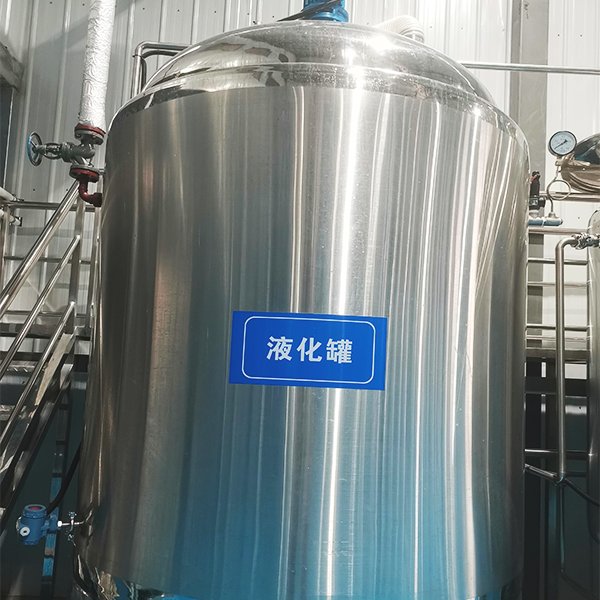
A stainless steel fermentation vessel for professional brewing applications is one of the most important pieces of equipment in modern beer production. Whether used in a microbrewery, craft brewery, brewpub, or large-scale commercial facility, the fermentation vessel directly affects fermentation control, product consistency, sanitation efficiency, and overall brewing performance. For breweries that need reliable, food-safe, and durable fermentation infrastructure, stainless steel remains the preferred material because it supports hygienic operation, precise temperature management, and long service life.
In today’s Brewing industry, the demand for high-quality fermentation vessels continues to grow as breweries seek better process control, improved batch consistency, and scalable production solutions. A professional stainless steel fermentation vessel is designed to handle active fermentation, pressure management, yeast performance, cleaning cycles, and long-term repeated use. Unlike materials that may absorb odors, corrode, or become difficult to sanitize, stainless steel provides a stable and highly sanitary surface suitable for beer, cider, kombucha, and other fermentation-based beverages.
This page provides detailed, SEO-friendly information about stainless steel fermentation vessels, including their definition, key features, common types, advantages, standard specifications, material properties, cleaning considerations, and selection factors. All information below is general industry knowledge and can be used directly in HTML content for blogs, product category pages, or brewery equipment guides.
What Is a Stainless Steel Fermentation Vessel?
A stainless steel fermentation vessel is a specialized tank used to contain wort, beer, or other liquid beverages during the fermentation stage. In professional brewing applications, the vessel provides a controlled environment where yeast converts sugars into alcohol and carbon dioxide. The vessel may be open or closed, pressurized or non-pressurized, jacketed or unjacketed, depending on the brewing process and production requirements.
In commercial brewing systems, the fermentation vessel is often referred to as a fermenter, Conical fermenter, fermentation tank, or unitank. These terms may overlap, but the general purpose remains the same: to support consistent, sanitary, and efficient fermentation. Stainless steel is the dominant material because it resists corrosion, handles frequent cleaning, and maintains structural strength under industrial brewing conditions.
For professional breweries, a stainless steel fermentation vessel is not just a storage container. It is a process vessel that influences yeast activity, flavor development, sediment separation, pressure control, and final beer quality. The vessel’s design can affect production speed, cleaning workflow, cooling efficiency, and the ability to harvest yeast or transfer finished product with minimal oxygen exposure.
Why Stainless Steel Is the Preferred Material in Brewing
Stainless steel is widely used in brewery equipment because it offers a balanced combination of durability, sanitation, and performance. In professional brewing environments, equipment must withstand acidic liquids, temperature changes, repeated cleaning cycles, and constant use. Stainless steel performs well under all of these conditions.
One of the primary reasons stainless steel is preferred is its corrosion resistance. During fermentation, liquid may become acidic, and the equipment must remain stable without rusting or degrading. High-quality stainless steel provides a passive protective layer that helps prevent contamination and maintains a clean internal surface.
Another major benefit is hygiene. Stainless steel surfaces are smooth, non-porous, and easy to sanitize. This is essential in brewing because microbial contamination can lead to off-flavors, poor fermentation, and product loss. The smooth finish also helps reduce residue buildup and supports more efficient cleaning-in-place procedures.
Stainless steel is also mechanically strong. Professional brewing vessels are often large, must support liquid weight, and may operate under pressure or vacuum conditions depending on the process design. Stainless steel fermentation tanks provide the structural integrity needed for repeated use in demanding brewery environments.
Core Advantages of Stainless Steel Fermentation Vessel for Professional Brewing Applications
A stainless steel fermentation vessel for professional brewing applications offers several important advantages that make it suitable for commercial operations. These benefits support both product quality and operational efficiency.
Advantage |
Industry Benefit |
|---|
Corrosion resistance |
Helps maintain long-term performance in acidic and wet brewing environments |
Sanitary surface |
Reduces contamination risk and supports effective cleaning and sterilization |
Temperature control compatibility |
Works well with cooling jackets and glycol systems for stable fermentation |
Durability |
Withstands repeated use, cleaning cycles, and industrial handling |
Flavor neutrality |
Does not absorb odors or affect beverage flavor |
Professional appearance |
Supports a clean, modern brewery environment for front-of-house or production areas |
Scalability |
Available in sizes suitable for pilot systems, craft breweries, and high-volume production |
These advantages make stainless steel fermentation vessels suitable for beer breweries that require precision and reliability. They are also widely used in beverage production environments where cleanliness, repeatability, and long-term efficiency matter.
Common Types of Stainless Steel Fermentation Vessels
Professional brewing systems use several types of stainless steel fermentation vessels depending on the brewing style, space limitations, production goals, and process design. Understanding these vessel types helps breweries choose equipment that matches operational needs.
1. Conical Fermenter
A conical fermenter is one of the most common stainless steel fermentation vessel designs in professional brewing. Its cone-shaped bottom allows yeast and trub to settle in a concentrated area, making it easier to remove sediment, harvest yeast, and transfer clarified beer. This design supports efficient fermentation management and is especially popular in craft and commercial breweries.
2. Unitank
A unitank is a fermentation vessel designed to support both fermentation and carbonation in the same tank. It is typically pressure-rated and may include cooling jackets, pressure relief valves, sample ports, and racking arms. Unitanks are useful for breweries looking to reduce tank count, streamline operations, and save floor space.
3. Bright Tank
Although a bright tank is primarily used for clarification, maturation, and carbonation rather than active fermentation, it is often part of the same brewing system. Some breweries use the term broadly when discussing stainless steel tanks for beverage processing. Bright tanks are usually not the first choice for primary fermentation, but they play an important role in post-fermentation handling.
4. Cylindrical Fermentation Tank
Cylindrical tanks are simpler in design and may be used in smaller breweries, experimental brewing setups, or specific beverage production lines. They may not offer the same sediment removal efficiency as conical models, but they can still perform well depending on the process requirements.
5. Open Fermenter
In some brewing styles, an open fermenter is used to support specific yeast behavior or traditional brewing practices. Stainless steel open fermenters are easier to clean than older materials and can still provide a sanitary fermentation environment while allowing greater access to the wort surface.
Typical Construction Features of a Professional Fermentation Vessel
A stainless steel fermentation vessel for professional brewing applications may include several structural and functional components. These features are designed to improve process efficiency, sanitation, and ease of operation.
Feature |
Purpose |
|---|
Conical bottom |
Supports sediment collection and yeast removal |
Cooling jacket |
Allows precise temperature control during fermentation |
Manway |
Provides access for inspection, cleaning, and maintenance |
Sample valve |
Enables product sampling without excessive contamination risk |
Racking arm |
Helps transfer clear beer from the vessel |
Pressure relief valve |
Protects the tank from overpressure conditions |
Thermowell |
Supports temperature monitoring and control |
Level sight glass or indicators |
Assists operators in checking fill levels |
Insulation |
Improves thermal stability and energy efficiency |
Legs or skirt base |
Provides stable structural support |
These features vary by vessel size and application, but they are commonly found in commercial brewing tanks. Depending on the brewery’s workflow, additional fittings may include CIP spray balls, carbon stone connections, dry hopping ports, or pressure-rated closures.
Material Grades Commonly Used in Brewery Fermentation Vessels
The performance of a stainless steel fermentation vessel depends not only on the tank design but also on the stainless steel grade used in construction. In professional brewing applications, two grades are especially common: 304 stainless steel and 316 stainless steel.
Stainless Steel Grade |
Common Use |
Main Characteristics |
|---|
304 stainless steel |
General brewery fermentation vessels |
Good corrosion resistance, durable, cost-effective, widely used in food and beverage equipment |
316 stainless steel |
Higher-corrosion or specialized environments |
Enhanced corrosion resistance, suitable for more demanding cleaning conditions or harsher process environments |
In many breweries, 304 stainless steel is sufficient for standard fermentation applications. However, 316 stainless steel may be preferred in environments with more aggressive chemical exposure, higher chloride levels, or specific sanitation requirements. The selection of material grade should always align with operating conditions, cleaning protocols, and long-term investment goals.
How Fermentation Vessel Design Impacts Brewing Performance
The design of a stainless steel fermentation vessel has a direct impact on brewing quality and operational efficiency. Every detail, from vessel geometry to fitting placement, can influence how well fermentation proceeds and how easy the tank is to maintain.
For example, cone angle affects yeast settlement and yeast Harvesting. A well-designed conical base can help concentrate sediment in a smaller area, making it easier to remove solids and recover reusable yeast. This improves workflow and may reduce product loss.
Temperature control is another critical design factor. Fermentation generates heat, and temperature fluctuations can affect yeast behavior, attenuation, ester formation, and final flavor profile. A jacketed fermentation vessel helps maintain stable process conditions, which is especially important for professional brewing applications that require batch consistency.
Vessel height, diameter, and pressure rating also matter. A taller vessel can influence hydrostatic pressure, which may impact yeast performance and carbonation behavior. Pressure-rated designs allow breweries to ferment and condition under controlled pressure, offering greater flexibility in production methods.
Standard Specifications for Stainless Steel Fermentation Vessel
The following table presents typical industry specifications for a stainless steel fermentation vessel used in professional brewing applications. Actual dimensions and features may vary depending on capacity, brewery layout, and process requirements.
Specification Category |
Typical Range or Option |
|---|
Capacity |
5 BBL to 200+ BBL, or customized according to brewery size |
Material |
304 stainless steel or 316 stainless steel |
Surface finish |
Sanitary polished interior, brushed or polished exterior |
Shape |
Cylindroconical, cylindrical, open top, or unitank |
Pressure rating |
Atmospheric to pressure-rated designs depending on application |
Cooling system |
Single-zone or multi-zone glycol cooling jacket |
Insulation |
Optional or standard depending on vessel type |
Fittings |
Sample valve, racking arm, manway, PRV, thermowell, CIP spray ball |
Sanitary standard |
Food-grade construction with hygienic welding and smooth interior surfaces |
Application |
Beer fermentation, yeast propagation, conditioning, beverage processing |
These specifications provide a useful baseline for comparing fermentation vessel options in the brewing industry. Depending on the brewery’s production target and process strategy, features may be added or modified to improve performance.
Key Benefits for Commercial Breweries
Stainless steel fermentation vessels are particularly valuable in commercial brewery operations because they help improve reliability, production consistency, and workflow efficiency. As a brewery scales up, even small improvements in sanitation or temperature control can have a noticeable effect on output quality.
Consistent fermentation is one of the biggest benefits. When the vessel supports stable temperature and pressure management, yeast performs more predictably. This helps breweries maintain flavor profile consistency across multiple batches, which is essential for brand reliability and customer satisfaction.
Another benefit is operational efficiency. Stainless steel tanks are compatible with modern cleaning systems and can be integrated into automated brewery workflows. This reduces downtime, speeds up tank turnaround, and supports a more efficient production schedule.
Long service life is also a major advantage. While the initial investment may be higher than simpler vessel materials, stainless steel typically offers better value over time because it resists wear, contamination, and corrosion. For breweries focused on long-term growth, this durability is an important economic factor.
Cleaning and Sanitation Requirements
Proper cleaning is essential for any stainless steel fermentation vessel used in professional brewing applications. Because fermentation involves yeast, sugars, proteins, and other residues, tanks must be cleaned thoroughly after each batch to prevent microbial growth and flavor contamination.
The smooth, non-porous surface of stainless steel makes sanitation easier than with many alternative materials. Breweries often use clean-in-place systems, which allow the vessel to be cleaned internally without extensive manual disassembly. CIP systems typically use water, caustic solutions, acid rinses, and sanitizing agents according to the brewery’s cleaning protocol.
Good sanitation design includes proper drainability, minimal dead zones, hygienic fittings, and polished welds. These details reduce the chance of residue accumulation and make the vessel easier to maintain over time. Regular inspection of valves, seals, gaskets, and spray devices is also important to preserve sanitary performance.
Temperature Control in Professional Fermentation
Temperature control is one of the most important functions of a professional brewing fermentation vessel. Yeast activity is highly sensitive to temperature, and even small fluctuations can affect alcohol production, ester formation, and final beer character. Stainless steel fermentation vessels are frequently designed with external cooling jackets that circulate glycol or another cooling medium.
Jacketed tanks allow brewers to regulate fermentation temperatures with precision. This is especially important for ale, lager, and specialty fermentation programs where different yeast strains require different thermal conditions. Stable temperature control helps prevent off-flavors and supports repeatable batch outcomes.
In larger brewery operations, multi-zone cooling jackets may be used to manage temperature more evenly across the vessel. This can be helpful when fermentation generates more heat at the top or center of the tank. The goal is to create a controlled environment that supports optimal yeast performance from start to finish.
Factors to Consider When Selecting a Fermentation Vessel
Choosing the right stainless steel fermentation vessel for professional brewing applications requires careful consideration of several operational factors. Breweries should evaluate production goals, available space, budget, and process requirements before selecting tank size and configuration.
Selection Factor |
Why It Matters |
|---|
Production volume |
Determines required tank capacity and number of vessels needed |
Beer style |
Different styles may require different fermentation profiles and vessel designs |
Space availability |
Affects tank height, diameter, and layout configuration |
Pressure requirements |
Influences whether a tank should be atmospheric or pressure-rated |
Temperature control needs |
Determines the need for cooling jackets and insulation |
Cleaning workflow |
Impacts whether the tank should support CIP and easy access |
Yeast handling |
Affects whether yeast harvesting or reuse is part of the process |
Budget and lifecycle value |
Helps balance upfront cost with long-term durability and efficiency |
A carefully selected vessel can improve overall brewery performance, reduce maintenance issues, and support better final product quality. It is also important to ensure the vessel aligns with local safety and sanitation expectations for beverage production.
Typical Brewing Applications
Stainless steel fermentation vessels are used across many brewing and beverage applications. While beer fermentation is the most common use case, these vessels are also suitable for other fermentation-based processes.
- Craft beer fermentation
- Commercial beer production
- Yeast propagation
- Secondary fermentation
- Conditioning and maturation
- Cider fermentation
- Kombucha production
- Specialty beverage fermentation
- Experimental brewing and pilot batches
Their versatility makes them valuable in facilities that produce multiple beverage types. With the right fittings and control system, a single stainless steel fermentation vessel can support several process steps depending on the brewery’s operating model.
Maintenance Best Practices
Regular maintenance helps extend the life of a stainless steel fermentation vessel and protects product quality. Brewery operators should inspect all functional parts on a scheduled basis and replace worn components before they affect performance.
Important maintenance steps include checking valves and seals, verifying the condition of gaskets, ensuring cooling jackets are functioning properly, monitoring weld integrity, and confirming that temperature sensors are accurate. Surface inspection is also recommended to identify any scratches, buildup, or abnormal residue that could affect sanitation.
Proper maintenance also includes preventive attention to external support structures such as legs, clamps, manways, and access ports. Well-maintained vessels improve operational reliability and reduce the risk of unplanned downtime.
SEO Keywords Related to Stainless Steel Fermentation Vessel
The following keyword phrases are relevant for SEO content targeting professional brewing, fermentation equipment, and brewery tank categories. These terms can be used naturally within headings, paragraphs, product descriptions, and metadata:
- stainless steel fermentation vessel
- Stainless steel fermenter
- professional brewing fermentation tank
- commercial brewery fermentation vessel
- conical fermenter stainless steel
- brewery fermentation tank
- unitank for brewing
- jacketed fermentation vessel
- Beer Fermentation Tank
- Sanitary Stainless Steel Tank
- food grade fermentation vessel
- commercial brewing equipment
- brewery stainless steel tank
- temperature controlled fermenter
- pressure rated fermentation vessel
Using these keywords naturally can improve topical relevance for search engines while keeping the content readable and informative for brewery buyers, engineers, and operations teams.
Conclusion
A stainless steel fermentation vessel for professional brewing applications is a critical asset for breweries that value quality, sanitation, consistency, and long-term performance. Its corrosion resistance, hygienic surface, pressure compatibility, and temperature control capabilities make it the standard choice for modern brewing operations. Whether a brewery is producing small craft batches or high-volume commercial runs, the right fermentation vessel supports efficient workflow and dependable fermentation outcomes.
From conical fermenters and unitanks to jacketed stainless steel tanks, professional brewing equipment must be designed with process control and sanitation in mind. Understanding the construction, specifications, and operational advantages of fermentation vessels helps breweries make informed decisions and build a more efficient production system.
For SEO-focused brewery content, this topic offers strong search relevance because it aligns with buyer intent, equipment research, and commercial brewing terminology. By covering definitions, benefits, types, specifications, and maintenance considerations, this content provides a solid foundation for ranking in search results and supporting users who are evaluating stainless steel fermentation vessel solutions.
 +86 29-87031531





 телефон
Комментарий
(0)